The Sacred Archive
Gallery of Devotion
An editorial exhibition of the sacred murtis and divine presences at the heart of Shivalaya.
The Aniconic Form of Shiva
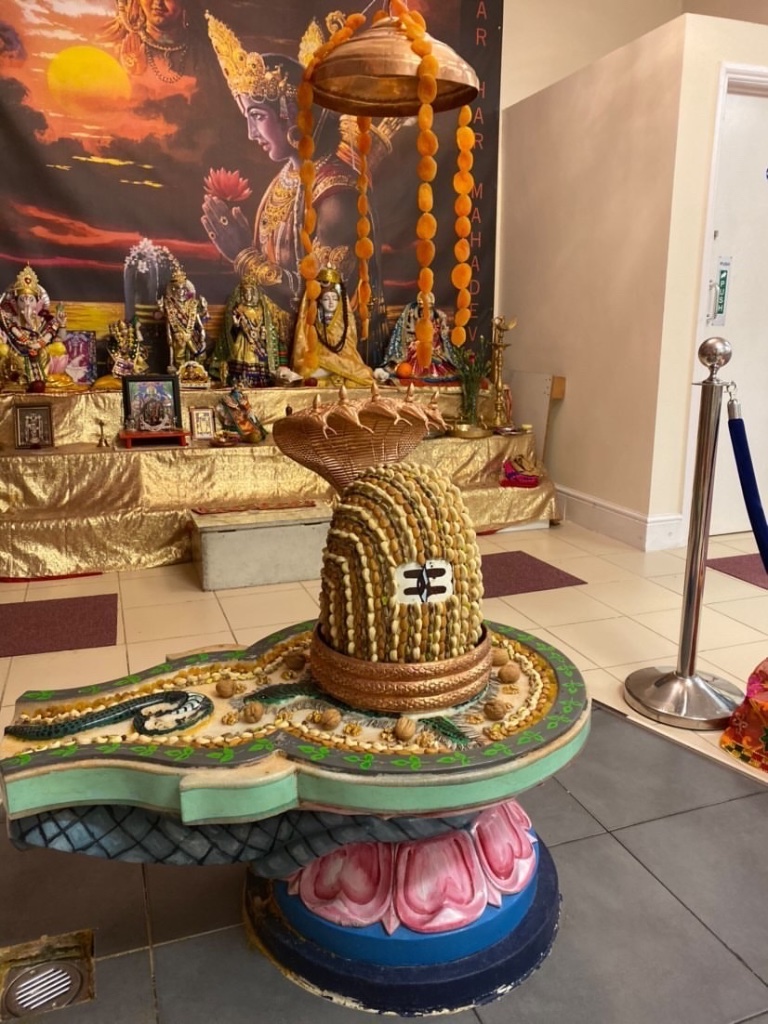
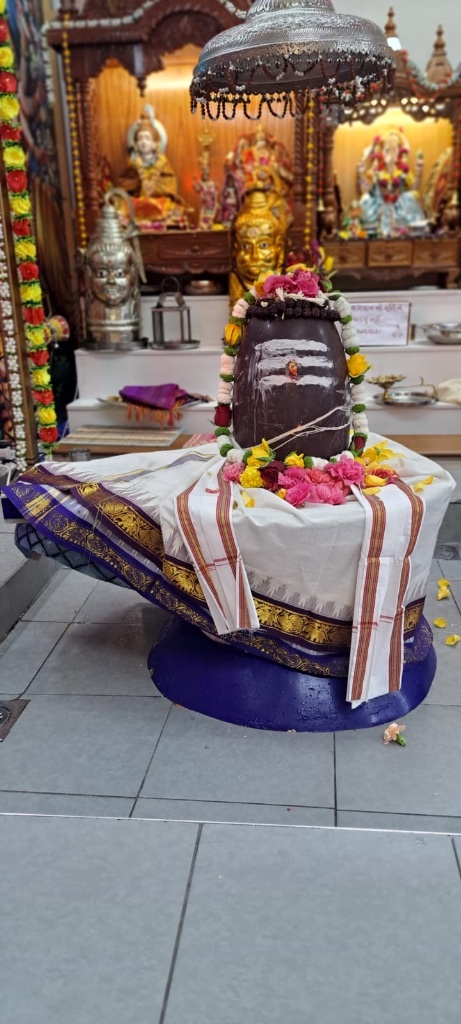
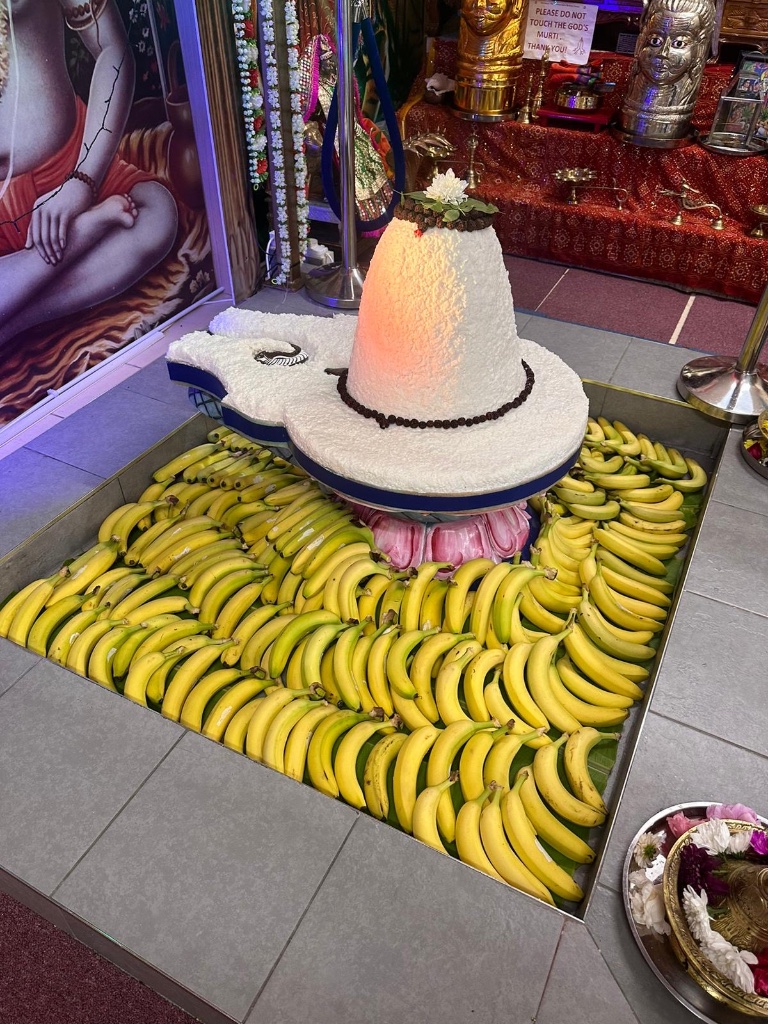
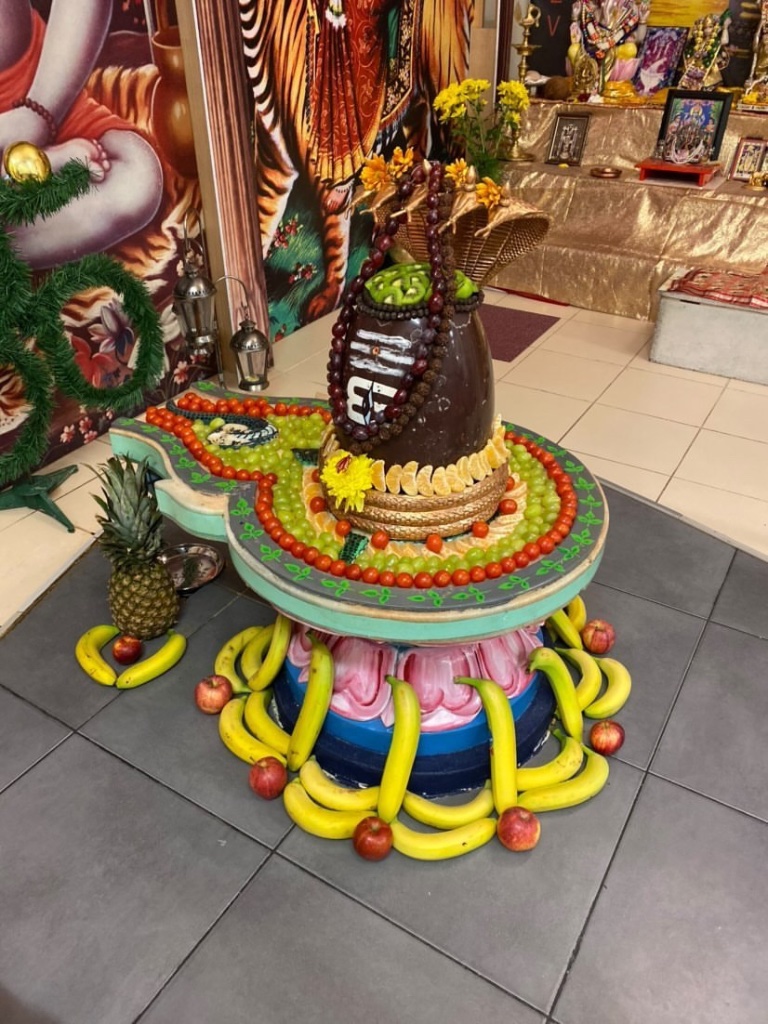
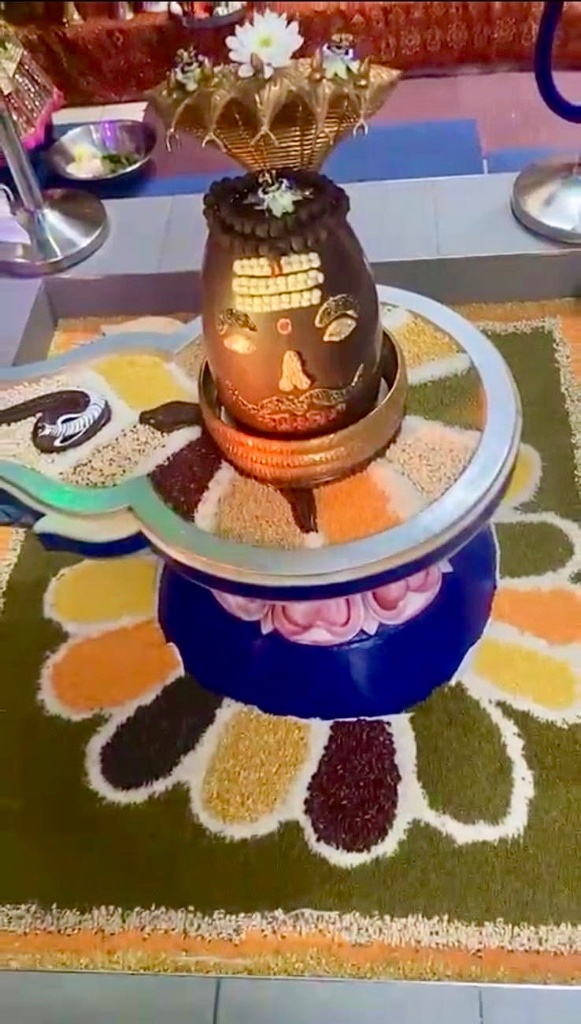
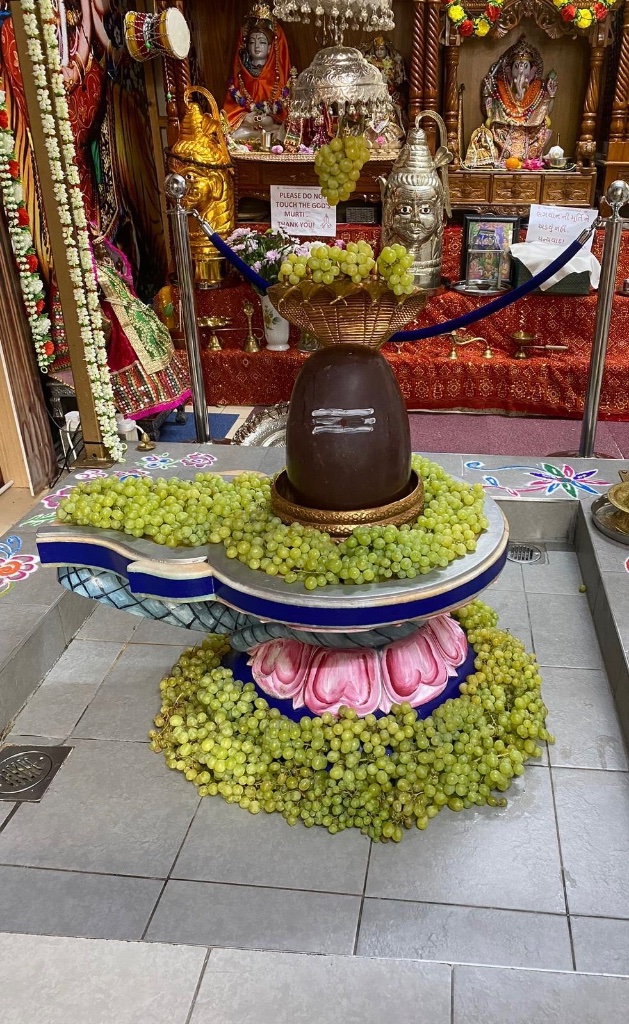
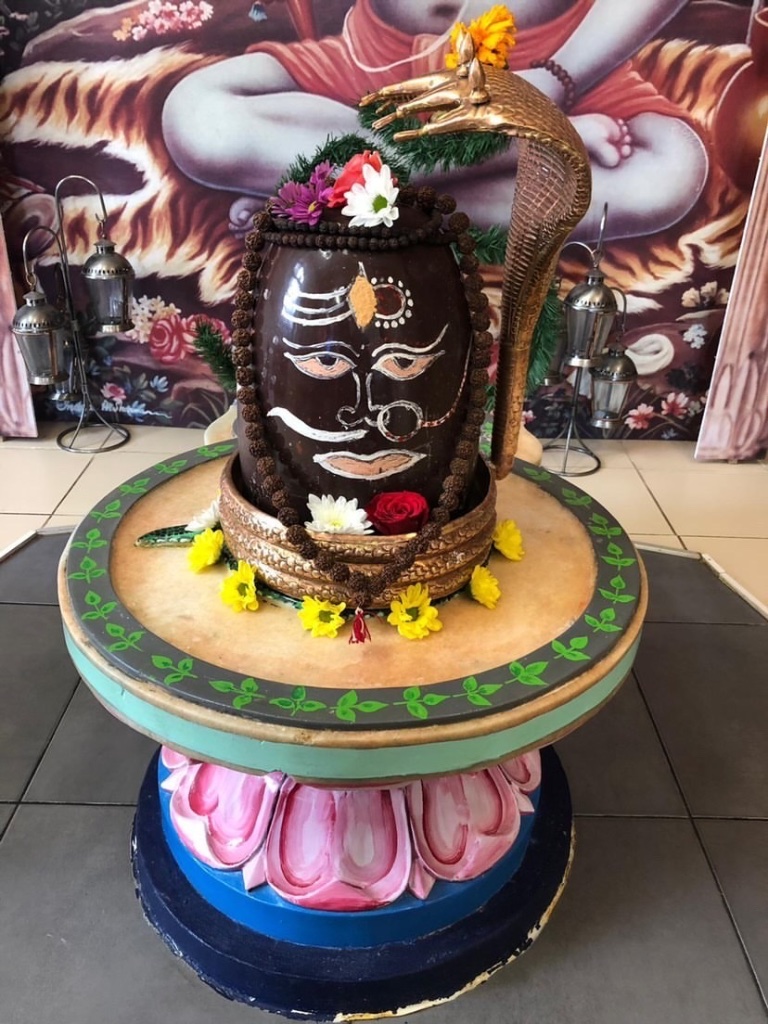
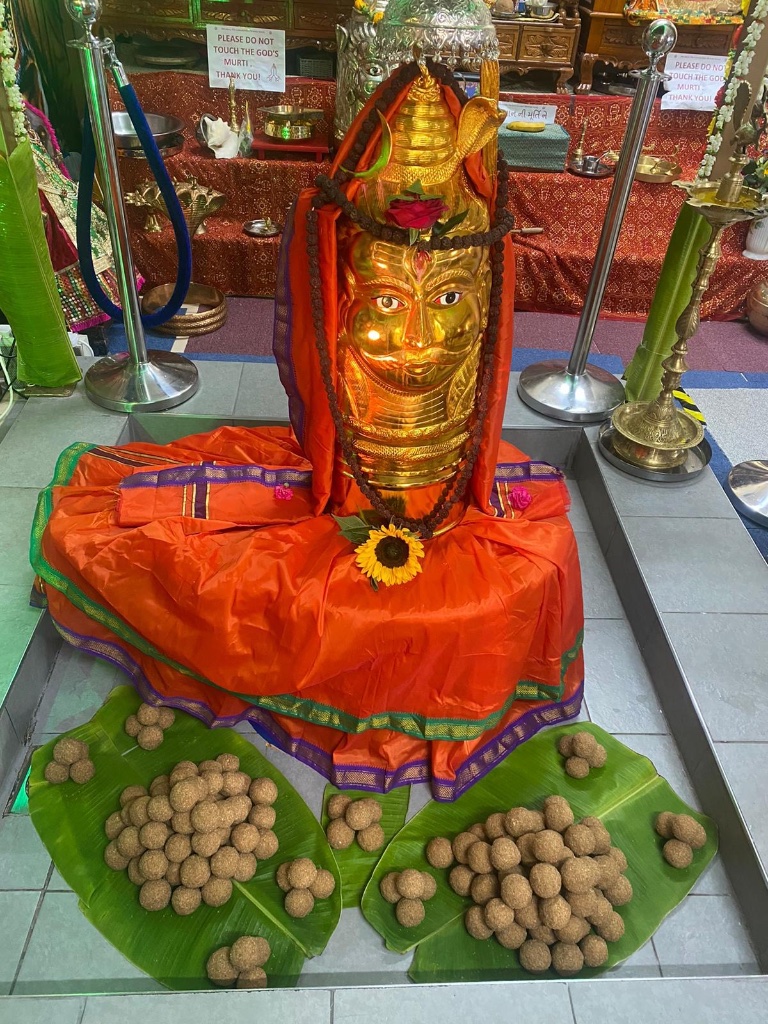
Narmadeshwara Lingam
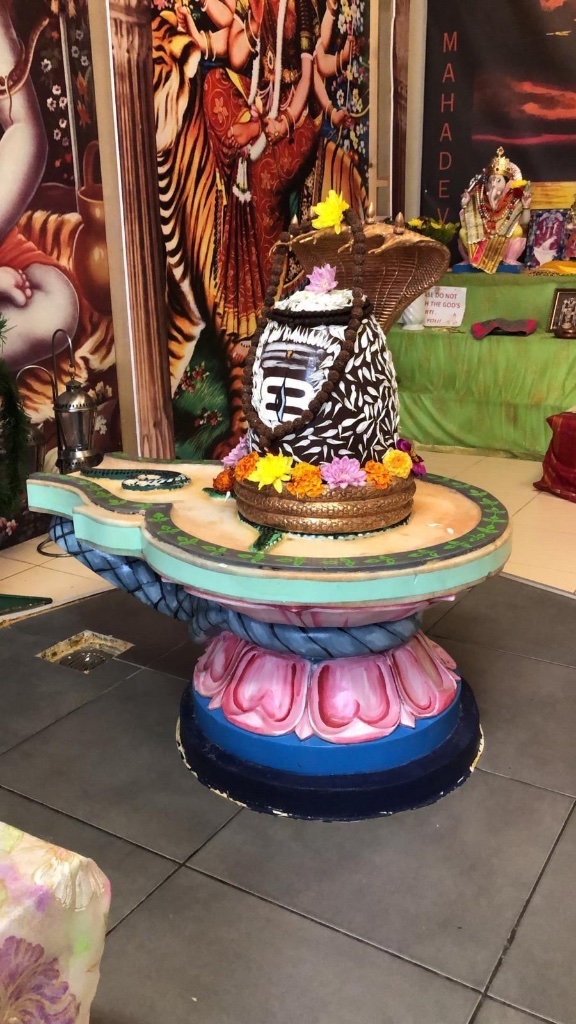
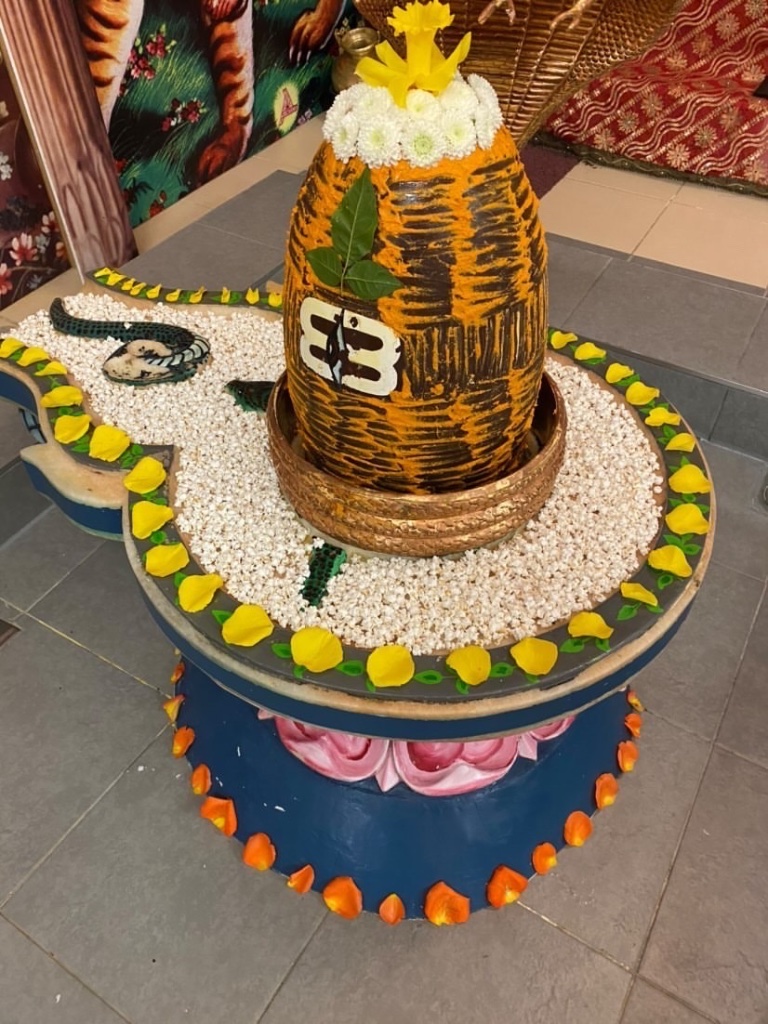
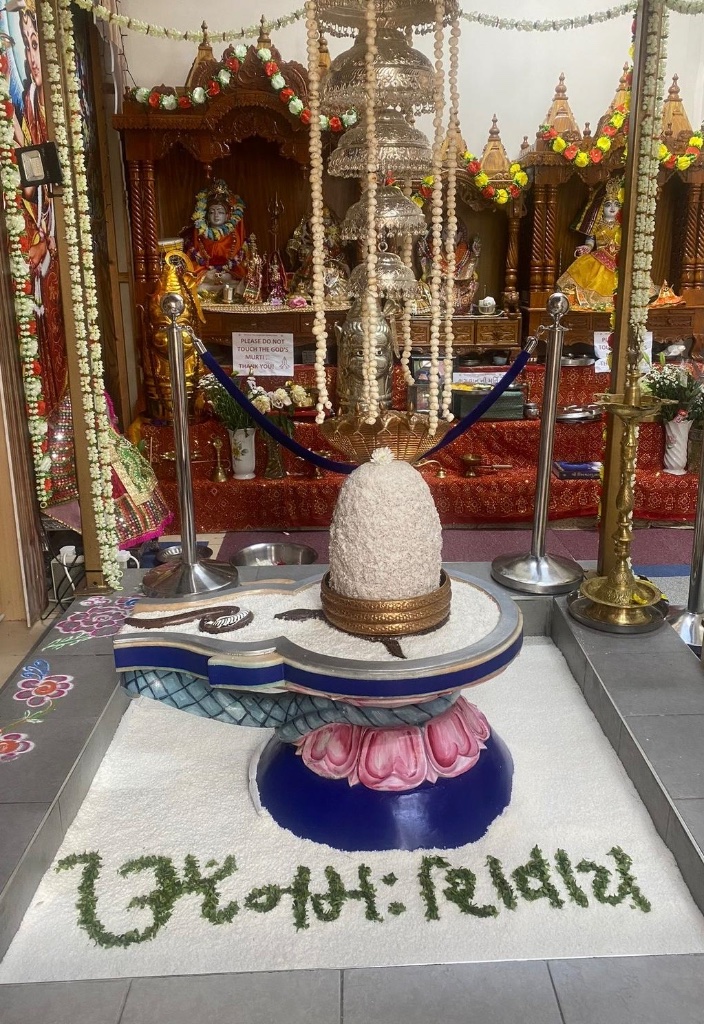
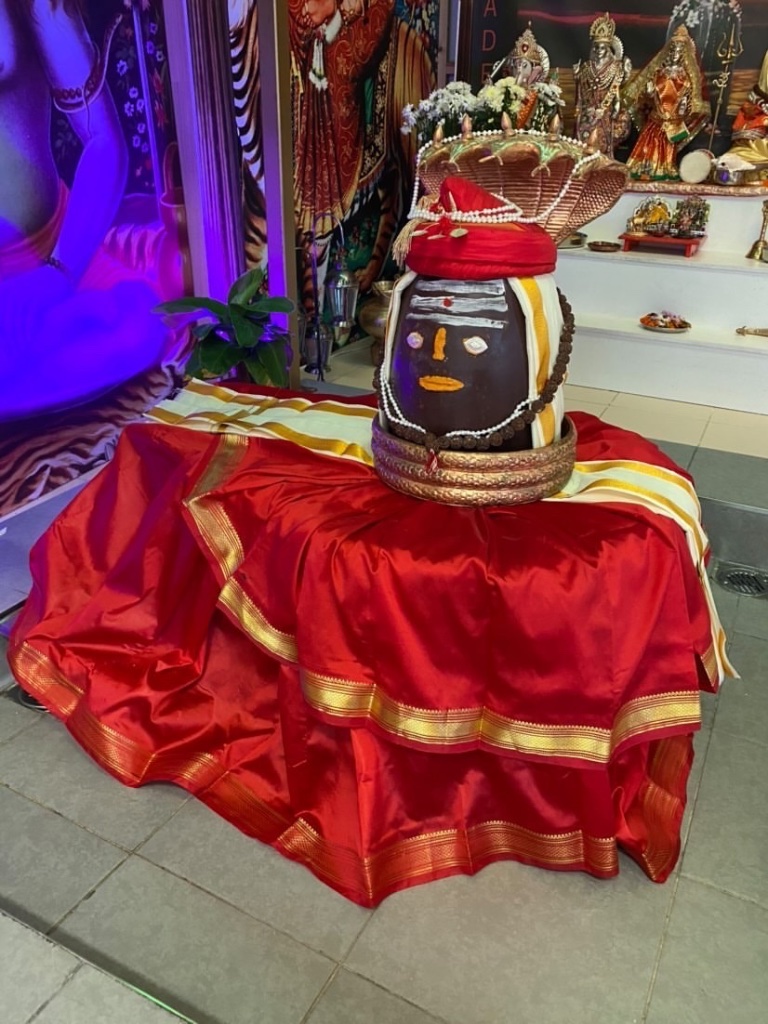
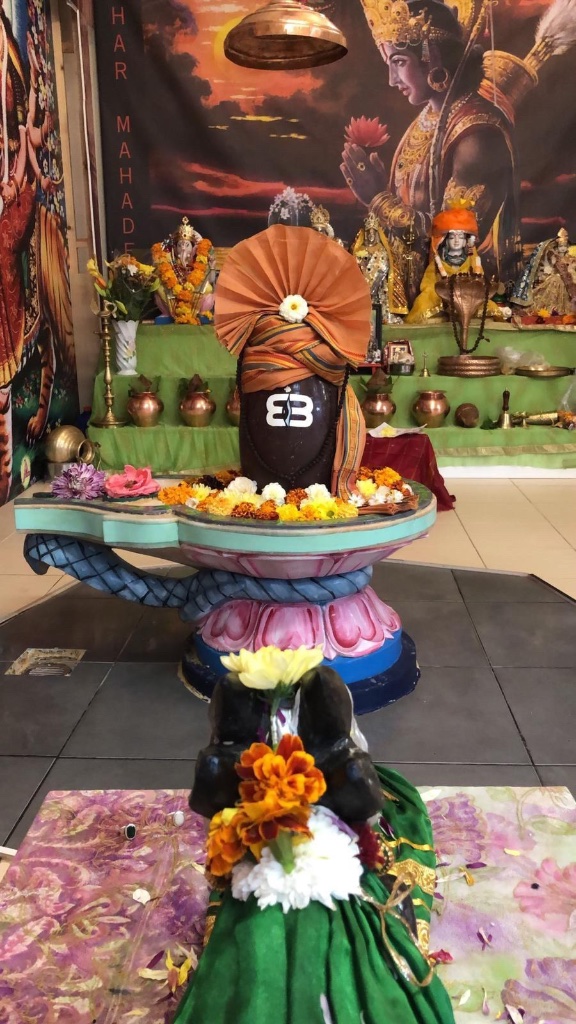
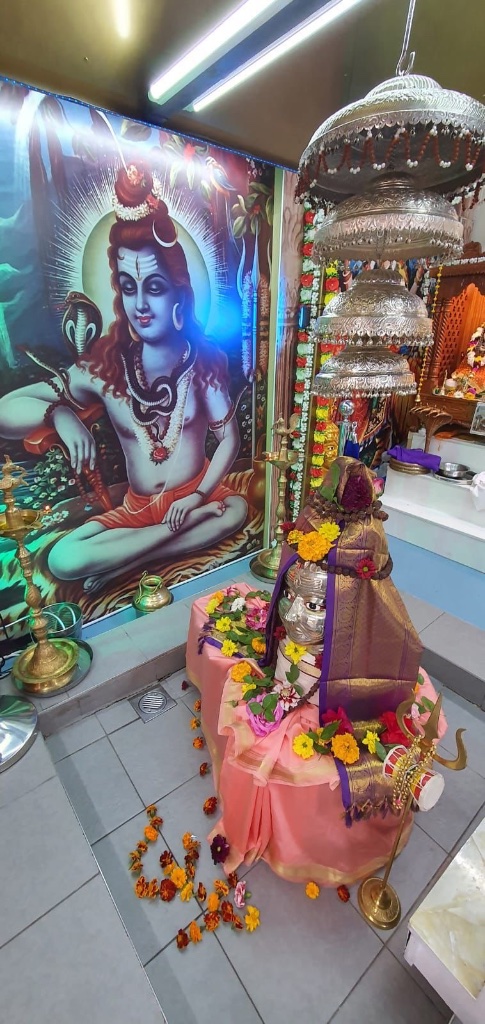
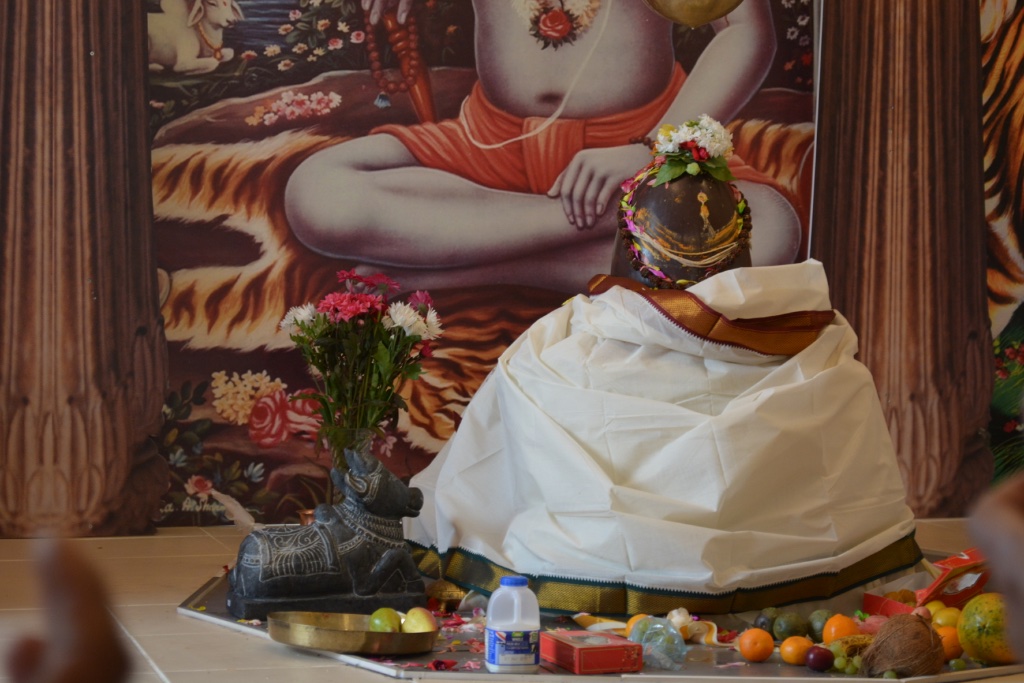
The Narmadeshwara Lingam — also known as the Banalinga — is a sacred aniconic form of Lord Shiva: a smooth, ovoid stone shaped over millennia within the bed of the river Narmada in Madhya Pradesh, central India. The Narmada is counted among the seven holiest rivers of Bharat, and uniquely, every stone gathered from its waters is held to be Shiva himself — requiring no ritual consecration (prana pratishtha).
At Shivalaya the Lingam is the focal point of daily worship. It is bathed in the abhisheka of water, milk, honey and panchamrita, and adorned with sandalwood paste, bilva leaves and fresh garlands, accompanied by the chanting of the Rudram and the sacred mantra Om Namah Shivaya.
The Lingam is not an idol but a profound symbol of the formless (nirguna) Absolute — the union of the unmanifest pillar of light (jyotirlinga) with the base representing Shakti, the divine feminine creative power. It signifies the infinite, beginningless and endless nature of the divine: that which can be approached yet never wholly contained.
Philosopher-Saint of Advaita Vedanta
Adi Shankaracharya
Adi Shankaracharya (traditionally 788–820 CE), born in Kaladi in present-day Kerala, was the foremost philosopher-saint of Sanatana Dharma. In a brief life of just thirty-two years, he travelled the length and breadth of Bharat on foot, debating, teaching and reawakening the spiritual conscience of the age.
He systematised Advaita Vedanta — the doctrine of non-dualism — teaching that the individual self (Atman) and the absolute reality (Brahman) are ultimately one and the same. His teaching is distilled in the celebrated aphorism: ‘Brahma Satyam, Jagat Mithya, Jivo Brahmaiva Naparah’ — Brahman alone is real, the world is appearance, and the self is none other than Brahman.
Shankaracharya established four cardinal monasteries (mathas) at Sringeri, Dwaraka, Puri and Jyotirmath — enduring custodians of Vedic learning. He composed luminous commentaries (bhashyas) on the Upanishads, the Bhagavad Gita and the Brahma Sutras, alongside devotional hymns of unmatched beauty. His legacy remains the philosophical foundation upon which much of Hindu thought rests.
The Cosmic Diagram of Creation
Mahameru
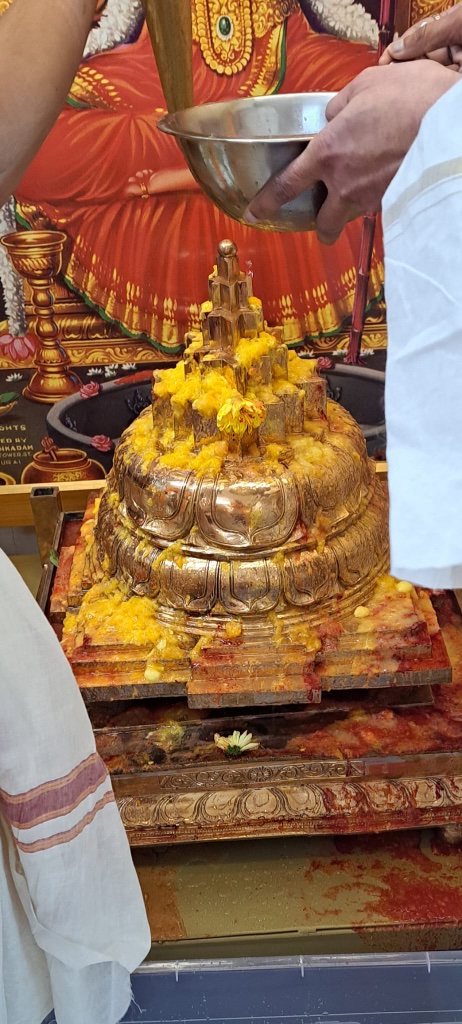
The Mahameru — the Meru Prastara — is the three-dimensional manifestation of the Sri Yantra (Sri Chakra), the supreme geometric diagram of the Shri Vidya tradition. It represents the Goddess Lalita Tripurasundari, the radiant Divine Mother who is the source of all that exists.
Its sacred geometry is composed of nine interlocking triangles — four pointing upward, embodying Shiva, and five pointing downward, embodying Shakti — radiating from a central point (bindu). Their intersection generates forty-three smaller triangles, enclosed by concentric rings of lotus petals and the bhupura, the earthen square with four gates representing the bounded cosmos.
To meditate upon the Mahameru is symbolically to ascend Mount Meru, the cosmic axis at the centre of the universe. Revered as the seat of abundance, harmony and spiritual realisation, it draws together the worshipper's attention from the manifold periphery of creation inward to the single, silent point of pure consciousness.